



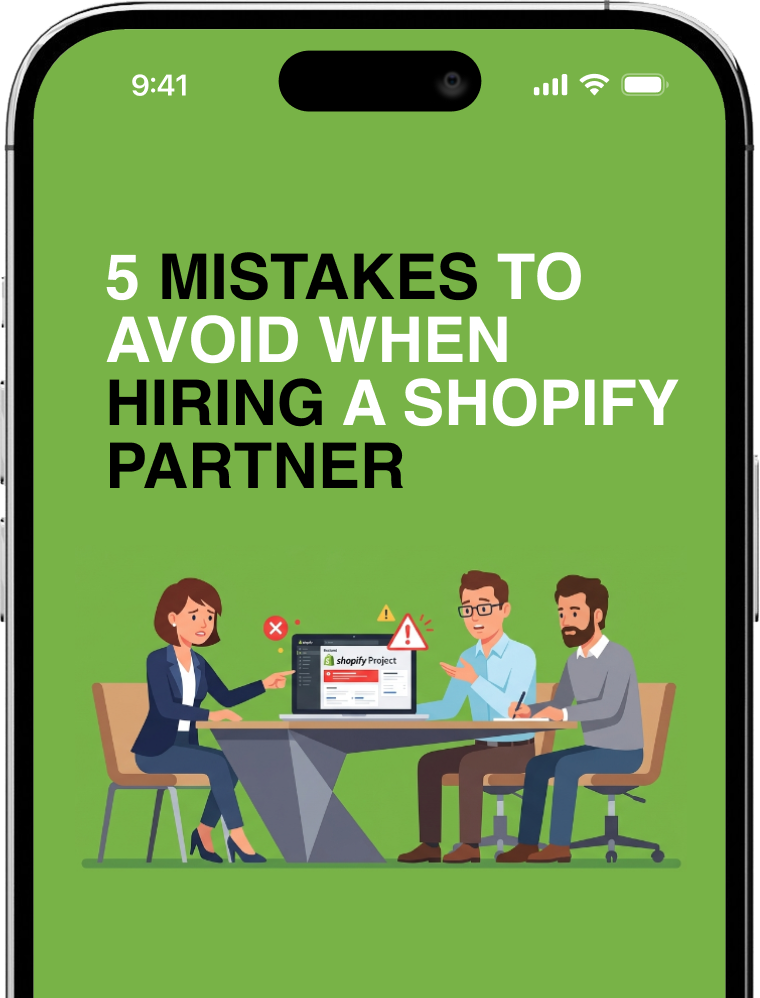
Choosing the right Shopify partner can make or break your e-commerce journey. Many businesses rush the selection process or rely on superficial metrics, leading to costly mistakes, delays, and missed opportunities. This guide explores the common mistakes when hiring a Shopify partner, practical tips for avoiding them, and a checklist for evaluating potential partners.
Why Choosing the Right Shopify Partner Matters
Shopify partners are certified agencies or experts trained to help businesses build, optimize, and maintain Shopify stores. They offer services ranging from store setup and theme customization to Shopify Plus solutions, Shopify app integrations, and ongoing support. Hiring the wrong partner can result in:
- Poor website performance
- Slow loading speeds and technical issues
- Limited scalability
- Mismanaged migration projects
- Increased costs and project delays
Understanding the potential pitfalls before hiring ensures your investment in a Shopify partner delivers value.
Top Common Mistakes When Hiring a Shopify Partner
Here are the key mistakes businesses often make when choosing a Shopify partner and how to avoid them:
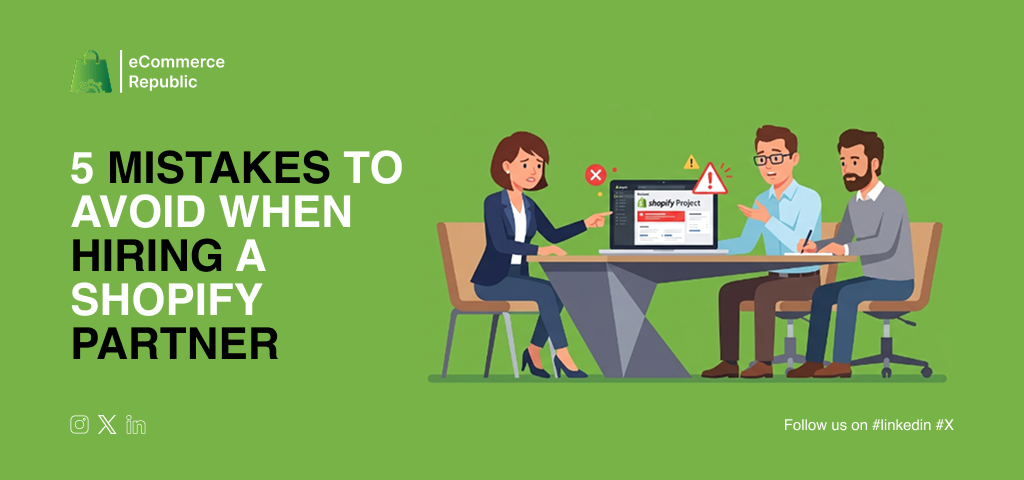
1. Ignoring Partner Certification and Experience
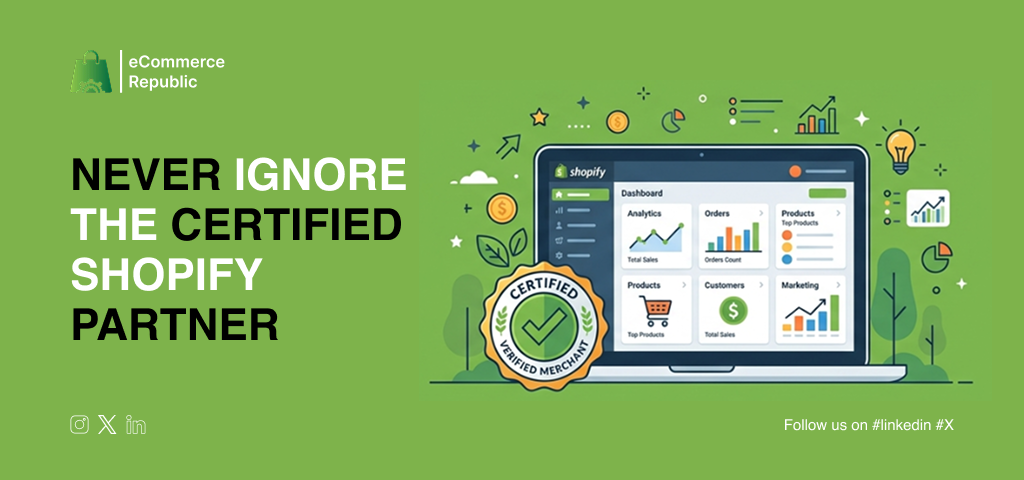
Not all Shopify partners are equally skilled. Many businesses focus solely on price or promises rather than certifications and proven experience. A certified Shopify partner has demonstrated expertise in Shopify development and e-commerce solutions.
How to avoid:
- Verify certification through the Shopify Partner Portal
- Review the partner’s portfolio of completed projects
- Ask for case studies or client references
2. Prioritizing Cost Over Value
While cost is important, choosing a partner based solely on the lowest price can lead to subpar quality, delays, or hidden fees.
How to avoid:
- Compare project quotes based on scope, not just price
- Assess value in terms of expertise, services offered, and support
- Consider long-term ROI rather than one-time cost
3. Lack of Clarity on Project Scope
Vague requirements often cause misunderstandings, delays, and overspending. A partner must clearly understand your business goals, e-commerce needs, and technical requirements.
How to avoid:
- Prepare a detailed project brief including features, design expectations, and deadlines
- Discuss potential challenges and mitigation strategies upfront
- Request a detailed proposal before signing contracts
4. Overlooking Support and Maintenance Services
Many Shopify partners excel in initial development but provide limited post-launch support. Without proper support, businesses struggle with updates, bug fixes, and ongoing optimization.
How to avoid:
- Confirm what support services are included in the package
- Ask about response time, availability, and escalation procedures
- Consider partners offering Shopify support services for long-term store management
5. Not Checking References or Reviews
Skipping client references or online reviews can hide critical red flags such as poor communication or missed deadlines.
How to avoid:
- Speak directly with previous clients
- Look for patterns in reviews rather than individual comments
- Check independent review platforms and social media presence
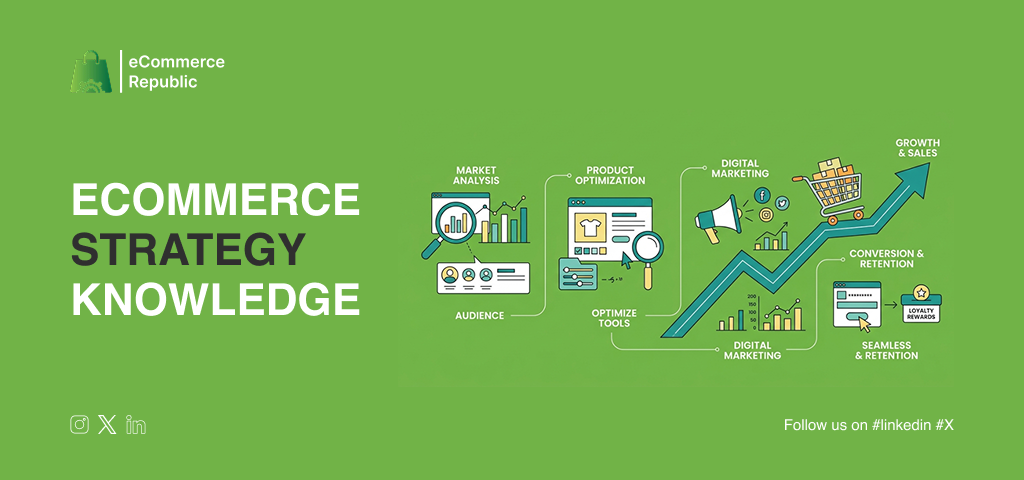
6. Choosing a Partner Without E-commerce Strategy Knowledge
A technical expert may build a functional store, but a lack of e-commerce strategy knowledge can impact conversion rates and ROI.
How to avoid:
- Evaluate the partner’s ability to integrate marketing tools, analytics, and sales optimization
- Ask for examples of e-commerce growth achieved for other clients
- Prefer partners who offer Shopify e-commerce development as part of their services
7. Ignoring Communication and Cultural Fit
Poor communication leads to misunderstandings and frustration. A partner who doesn’t align with your working style or business culture can slow down progress.
How to avoid:
- Schedule introductory meetings to gauge communication skills
- Clarify expectations for updates, reports, and meetings
- Choose a partner whose work culture aligns with yours
Actionable Checklist for Hiring a Shopify Partner
Use this checklist to ensure you avoid mistakes when selecting your Shopify partner:
- Verify Shopify partner certification
- Review portfolio and case studies
- Confirm scope, timeline, and deliverables
- Assess cost vs. value
- Check post-launch support and maintenance
- Request client references and read reviews
- Evaluate e-commerce strategy expertise
- Test communication and responsiveness
- Compare with in-house or alternative agencies
Cost Considerations and Value Assessment
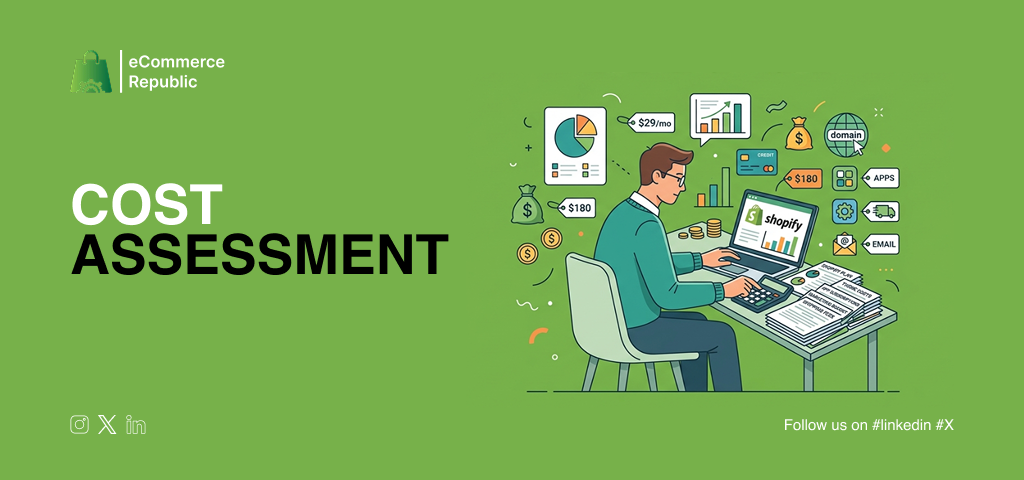
Hiring a Shopify partner is an investment. Typical cost factors include the following:
- Project complexity and store size
- Custom app integrations and theme development
- Shopify Plus features enterprise-level solutions
- Ongoing maintenance and support packages
Value assessment tips:
- Calculate potential ROI from higher conversion rates and reduced downtime
- Factor in the time saved compared to in-house development
- Assess the quality of work relative to price, not just the absolute cost
Questions to Ask Before Hiring a Shopify Partner
Asking the right questions ensures you select a partner that meets your needs:
- Are you a certified Shopify partner?
- Can you provide a portfolio of similar projects?
- What is your process for Shopify store setup or migration?
- Do you provide ongoing Shopify support services?
- How do you handle project timelines and deliverables?
- Can you assist with Shopify Plus or advanced e-commerce solutions?
- What e-commerce growth strategies do you implement post-launch?
FAQs
Q1: What are the requirements for Shopify partners?
Shopify partners must have verified certification, a portfolio of completed projects, and a clear understanding of Shopify’s platform and ecosystem.
Q2: Is it worth hiring a Shopify partner?
Yes, certified Shopify partners save time, avoid technical mistakes, and help maximize e-commerce ROI with professional store setup and support.
Q3: How much does it cost to hire a Shopify partner?
Costs vary depending on project scope, customizations, and ongoing support. Typical projects range from a few thousand to tens of thousands of dollars, with value assessed through ROI and quality.
Q4: What are common Shopify selling mistakes?
Mistakes include poor store design, lack of mobile optimization, slow site speed, poor product organization, and inadequate marketing strategy.
Q5: Free checklist for hiring Shopify partner services?
Refer to the Actionable Checklist section above, which includes verification, portfolio review, scope clarity, support evaluation, and communication assessment.
Q6: Questions to ask the Shopify partner?
See the “Questions to Ask Before Hiring a Shopify Partner” section above for key questions that help evaluate expertise, support, and strategy alignment.
Q7: Shopify partner vs. freelancer—which is better?
Freelancers may offer lower costs but limited expertise and support. Certified Shopify partners provide comprehensive solutions, strategy guidance, and ongoing support.
Conclusion
Avoiding common mistakes when hiring a Shopify partner is essential for ecommerce success. By verifying certifications, assessing experience, evaluating cost versus value, and asking the right questions, you can select a partner that helps your Shopify store thrive.